Senior Home Safety Checklist: Reduce Fall Risks Before They Happen
As we age, our homes should continue to be places of comfort, independence, and security. However, everyday features like loose rugs, poor lighting, or cluttered walkways can quickly become serious hazards for older adults. Taking proactive steps to improve home safety can significantly reduce the risk of falls and help seniors continue living independently for longer.
At A Better Life Homecare, we believe that prevention is one of the best forms of care. Whether you’re an older adult, a family caregiver, or simply looking out for someone you love, creating a safer home environment is one of the most important investments you can make.
In this guide, we’ll walk you through a practical Senior Home Safety Checklist designed to help identify common fall hazards and create a safer living space. We’ll also explain how our Adult Foster Care (AFC) and Adult Family Living (AFL) programs can provide additional support for families caring for loved ones at home.
Why Home Safety Matters for Seniors
Falls are one of the leading causes of injury among older adults and can have lasting effects on health, confidence, and independence. Even a minor fall can result in fractures, hospitalization, or a fear of falling again, which often leads to reduced physical activity and further loss of strength.
The encouraging news is that many falls can be prevented through simple home modifications, healthy daily habits, and support from family caregivers.
A well-maintained home not only reduces physical risks but also gives seniors greater confidence to move around independently and safely.
Your Senior Home Safety Checklist
Use this checklist to identify potential hazards and make practical improvements throughout the home.
1. Clear Walkways and Remove Clutter
Walkways should remain free of anything that could become a tripping hazard.
- Remove loose electrical cords.
- Keep shoes and bags off the floor.
- Store frequently used items within easy reach.
- Keep hallways and staircases free from clutter.
Family caregivers should regularly inspect the home for new hazards that may develop over time.
2. Improve Lighting Throughout the Home
Good lighting helps seniors see obstacles more clearly.
Consider:
- Installing brighter LED bulbs
- Adding nightlights in bedrooms and bathrooms
- Using motion-sensor lights near entrances
- Making sure light switches are easily accessible
Well-lit spaces are especially important for nighttime bathroom visits.
3. Make Stairs Safer
Stairs are one of the highest-risk areas for falls.
Improve stair safety by:
- Installing sturdy handrails on both sides
- Keeping stairs free from clutter
- Repairing loose or damaged steps
- Adding non-slip stair treads
- Ensuring each step is well lit
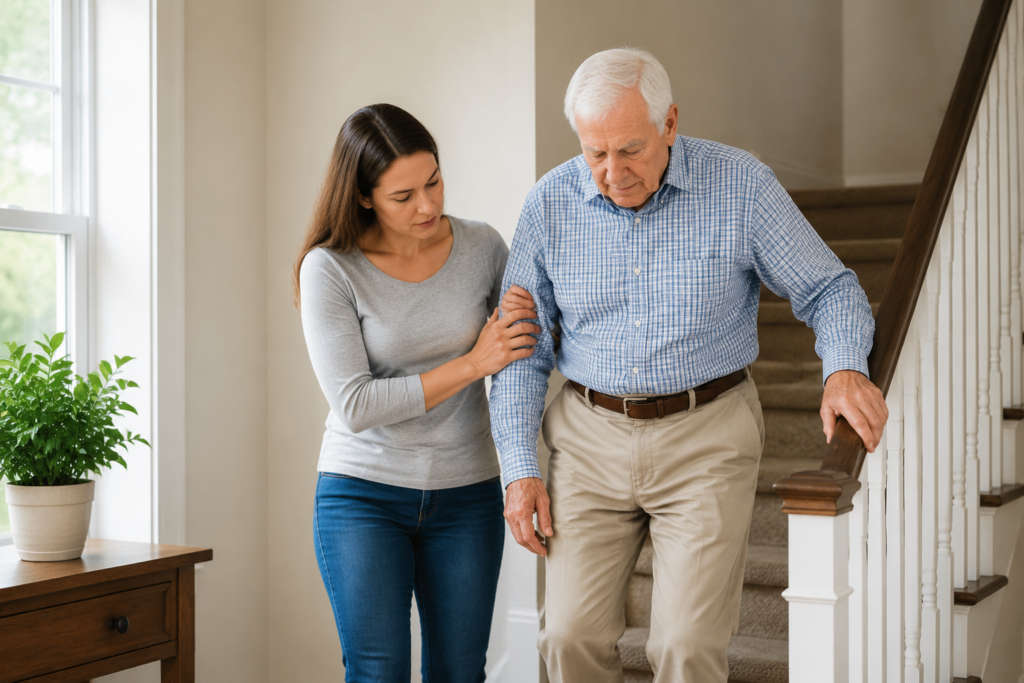
Family caregivers should encourage loved ones to use handrails every time they use the stairs.
4. Secure or Remove Loose Rugs
Area rugs can slide unexpectedly and increase the risk of trips.
Choose rugs with non-slip backing or remove unnecessary rugs altogether.
Also check that flooring transitions between rooms are smooth and even.
5. Install Grab Bars in Bathrooms
Bathrooms are another common location for falls due to slippery surfaces.
Install grab bars:
- Inside the shower
- Next to the bathtub
- Beside the toilet
Adding a shower chair and handheld showerhead can also improve safety and comfort.
6. Wear Proper Footwear
Supportive shoes provide better stability than socks or loose-fitting slippers.
Look for shoes with:
- Non-slip soles
- Good arch support
- Secure fasteners
- Low heels
Replace worn shoes when they lose traction.
7. Review Medications Regularly
Some medications can cause dizziness, drowsiness, or balance problems.
Schedule regular medication reviews with your healthcare provider to ensure prescriptions remain appropriate and to discuss any side effects that may increase fall risk.
Never stop taking medications without professional guidance.
8. Stay Active to Improve Balance and Strength
Regular movement helps maintain muscle strength, flexibility, and coordination.
Activities such as:
- Walking
- Gentle stretching
- Tai Chi
- Chair exercises
- Balance training
can all help reduce the likelihood of falls.
Always consult your healthcare provider before beginning a new exercise routine.
9. Schedule Vision and Hearing Exams
Changes in vision and hearing can affect balance and make it harder to identify hazards.
Routine checkups help ensure:
- Eyeglass prescriptions remain current.
- Cataracts or glaucoma are identified early.
- Hearing concerns are addressed before they impact safety.
10. Know When Extra Help Is Needed
Sometimes, even after making home improvements, additional daily support becomes necessary.
Watch for signs such as:
- Difficulty walking safely
- Trouble climbing stairs
- Frequent stumbling
- Difficulty bathing or dressing
- Increased fatigue
- Forgetting medications
- Fear of falling
Recognizing these changes early allows families to put the right support in place before an accident occurs.
How Family Caregivers Help Prevent Falls
Family caregivers are often the first to notice changes in a loved one’s mobility or daily routine. Their support goes far beyond helping with household tasks—they also play a key role in reducing fall risks.
Caregivers can help by:
- Performing regular home safety checks
- Assisting with mobility around the home
- Encouraging exercise and healthy habits
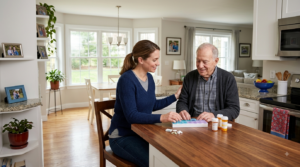
- Helping organize medications
- Accompanying loved ones to medical appointments
- Monitoring changes in balance or walking
These simple actions can make a meaningful difference in helping seniors remain safe and independent.
How A Better Life Homecare Supports Families
Sometimes, creating a safer home also means having the right caregiving support.
At A Better Life Homecare, we help families throughout Massachusetts and Connecticut access programs that allow eligible individuals to receive compassionate care while remaining in the comfort of home.
Massachusetts Adult Foster Care (AFC)
Our Adult Foster Care (AFC) Program helps eligible MassHealth members (16 years and older) receive daily assistance from a qualified caregiver, often a family member or trusted friend.
Services include:
- Assistance with Activities of Daily Living (ADLs)
- Personalized care plans
- Registered Nurse oversight
- Care management and coordination
- Ongoing caregiver education and support
👉 Learn more about our Massachusetts Adult Foster Care Program:
https://ablhomecare.com/massachusetts/
Connecticut Adult Family Living (AFL)
Our Adult Family Living (AFL) Program helps eligible seniors (65+) receive quality care at home from someone they know and trust.
Families benefit from:
- Nurse supervision
- Individualized care planning
- Regular wellness visits
- Caregiver guidance and education
- Ongoing support to help seniors remain safely at home
👉 Learn more about our Connecticut Adult Family Living Program:
https://ablhomecare.com/connecticut/adult-family-living-program-landing-page/
Download and Use This Checklist
Review this checklist with your loved one every few months or after any changes in health or mobility. A few simple adjustments today can help prevent serious injuries tomorrow.
Remember, fall prevention isn’t about limiting independence—it’s about creating an environment where seniors can continue living confidently and safely.
Final Thoughts
A safe home is one of the greatest gifts we can provide to an aging loved one. By following this Senior Home Safety Checklist, families can reduce fall risks, promote independence, and enjoy greater peace of mind.
If your loved one could benefit from additional support with daily activities, A Better Life Homecare is here to help. Through our Adult Foster Care (AFC) and Adult Family Living (AFL) programs, we help eligible families receive compassionate care from trusted caregivers while remaining safely at home.
Contact A Better Life Homecare today to learn more about our home care services and discover whether your family may qualify for one of our caregiver programs.