Falls are one of the leading causes of injury among older adults, and for family caregivers, preventing falls at home is one of the most important steps in protecting a loved one’s health, independence, and quality of life. A simple fall can lead to broken bones, hospital stays, reduced mobility, and emotional stress for both seniors and caregivers.
The good news is that many falls can be prevented with the right home safety measures, daily routines, and caregiver support.
Whether you are caring for an aging parent, spouse, or loved one at home, this guide will help you create a safer living environment and reduce fall risks effectively.
Why Fall Prevention Matters for Seniors
According to the Centers for Disease Control and Prevention (CDC), millions of adults aged 65 and older experience falls each year. Many of these falls happen inside the home during everyday activities such as walking to the bathroom, climbing stairs, or getting out of bed.
Older adults are at greater risk of falling due to:
- Muscle weakness
- Balance problems
- Poor vision
- Medication side effects
- Chronic health conditions
- Limited mobility
- Unsafe home environments
For family caregivers, understanding these risks is the first step toward preventing serious injuries.
Common Causes of Falls at Home
Many falls happen because of preventable hazards around the home. Some of the most common causes include:
1. Cluttered Walkways
Loose items on the floor, electrical cords, shoes, or furniture can create dangerous tripping hazards.
2. Poor Lighting
Dim hallways, staircases, and bathrooms make it difficult for seniors to see obstacles clearly.
3. Slippery Floors
Wet bathroom floors, polished surfaces, and loose rugs increase the risk of slipping.
4. Lack of Bathroom Safety Equipment
Bathrooms are one of the highest-risk areas for falls because of slippery surfaces and limited support.
5. Improper Footwear
Loose slippers, socks without grip, or worn-out shoes can affect stability and balance.
6. Medication Side Effects
Certain medications may cause dizziness, drowsiness, or low blood pressure.
7. Weakness and Limited Mobility
Aging adults who struggle with walking, standing, or balance may require additional assistance and support.
Top Fall Prevention Tips for Family Caregivers
1. Remove Tripping Hazards
Start by evaluating every room in the home for potential dangers.
Safety Checklist:
- Remove loose rugs or secure them with non-slip backing
- Keep pathways clear of clutter
- Organize electrical cords away from walkways
- Rearrange furniture to create open walking areas
- Clean spills immediately
A clutter-free environment greatly reduces the chance of unexpected trips and falls.
2. Improve Lighting Throughout the Home
Good lighting helps seniors move safely and confidently.
Important Areas to Brighten:
- Hallways
- Staircases
- Bedrooms
- Bathrooms
- Entryways
Helpful Additions:
- Motion sensor lights
- Night lights
- Easy-to-reach light switches
- Brighter LED bulbs
Caregivers should ensure loved ones can safely navigate the home during both daytime and nighttime hours.
3. Make the Bathroom Safer
Bathrooms are among the most dangerous areas for older adults due to wet and slippery surfaces.
Recommended Bathroom Safety Equipment:
- Grab bars near toilets and showers
- Non-slip bath mats
- Shower chairs or transfer benches
- Handheld shower heads
- Raised toilet seats
Family caregivers should also help monitor bathing routines if mobility issues are present.
4. Encourage Safe Footwear
Supportive shoes can significantly improve balance and stability.
Seniors Should Avoid:
- Loose slippers
- High heels
- Socks without grips
- Shoes with smooth soles
Best Footwear Options:
- Non-slip soles
- Closed-back shoes
- Lightweight walking shoes
- Properly fitted footwear
5. Promote Regular Physical Activity
Exercise helps older adults maintain strength, flexibility, and balance.
Beneficial Activities Include:
- Walking
- Chair exercises
- Stretching
- Balance training
- Physical therapy exercises
Even light daily movement can help reduce fall risks over time.
6. Review Medications Regularly
Some medications may increase dizziness or affect coordination.
Family caregivers should:
- Keep an updated medication list
- Discuss side effects with healthcare providers
- Monitor for changes in balance or alertness
- Avoid missed or doubled doses
Regular medication reviews can help identify hidden fall risks.
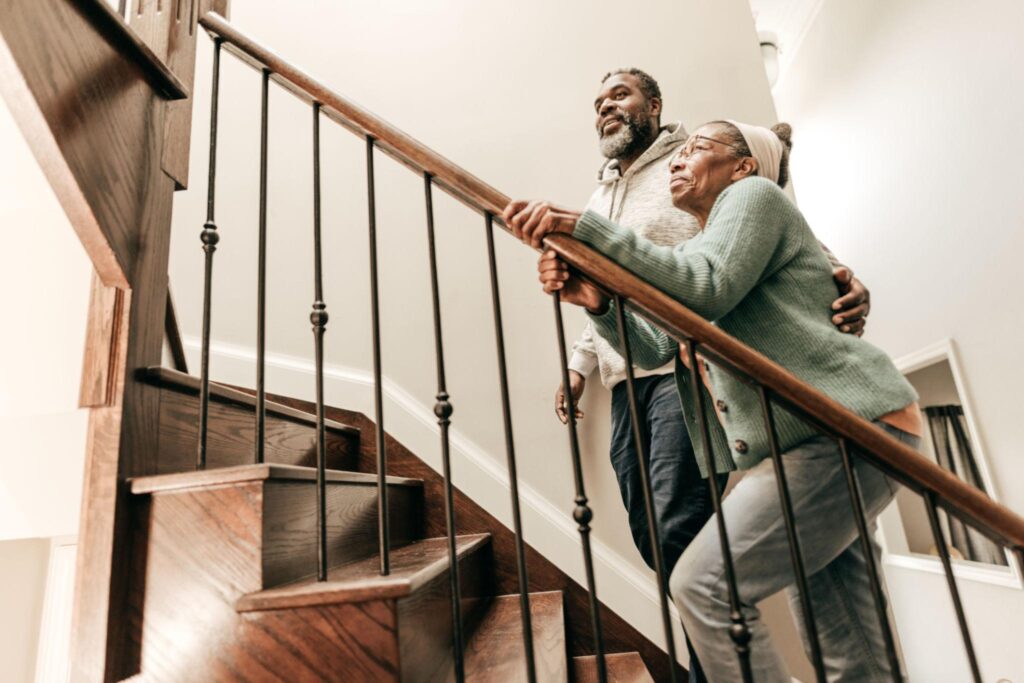
7. Install Handrails and Grab Bars
Extra support can make movement safer throughout the home.
Important Locations:
- Staircases
- Bathrooms
- Hallways
- Bedside areas
- Entry steps
Secure handrails help seniors maintain balance while standing, walking, or transitioning between positions.
8. Encourage Slow and Safe Movements
Many falls occur when seniors stand up too quickly or rush to move around.
Caregivers can remind loved ones to:
- Stand slowly from sitting or lying positions
- Use assistive devices properly
- Take their time when walking
- Ask for help when needed
Patience and support can prevent unnecessary accidents.
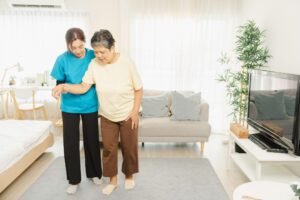
9. Use Mobility Aids Correctly
Walkers, canes, and wheelchairs can improve safety when used properly.
Caregiver Tips:
- Ensure mobility aids are correctly adjusted
- Check rubber tips and wheels regularly
- Encourage consistent use
- Remove obstacles that interfere with mobility devices
A properly fitted mobility aid can greatly improve confidence and independence.
10. Schedule Routine Vision and Hearing Checks
Poor vision and hearing can make it harder for seniors to identify hazards or maintain balance.
Regular checkups can help:
- Update eyeglass prescriptions
- Detect hearing issues
- Improve spatial awareness
- Reduce environmental risks
Warning Signs That a Loved One May Be at High Risk for Falls
Family caregivers should watch for these common warning signs:
- Frequent stumbling or loss of balance
- Difficulty standing up
- Holding onto furniture while walking
- Fear of walking alone
- Dizziness or confusion
- Previous falls
- Weakness after illness or hospitalization
Early intervention can help prevent serious injuries before they occur.
How Homecare Services Can Help Prevent Falls
Professional caregivers can play a major role in reducing fall risks for seniors living at home.
Homecare support may include:
- Mobility assistance
- Medication reminders
- Supervision during bathing
- Assistance with daily activities
- Home safety monitoring
- Companionship and support
For many families, having trained caregivers involved provides peace of mind and helps seniors remain safely at home longer.
Supporting Safe and Independent Living at Home
Fall prevention is not just about avoiding injuries — it is about preserving independence, dignity, and quality of life for aging loved ones.
By making small safety improvements, staying proactive, and providing consistent support, family caregivers can create a safer home environment and reduce the likelihood of serious accidents.
At A Better Life Homecare, we understand the challenges family caregivers face every day. Our goal is to help families provide safe, compassionate care while helping loved ones remain comfortable at home.
If you are caring for an aging parent or loved one, taking preventive steps today can make a lasting difference in their health and safety tomorrow.